
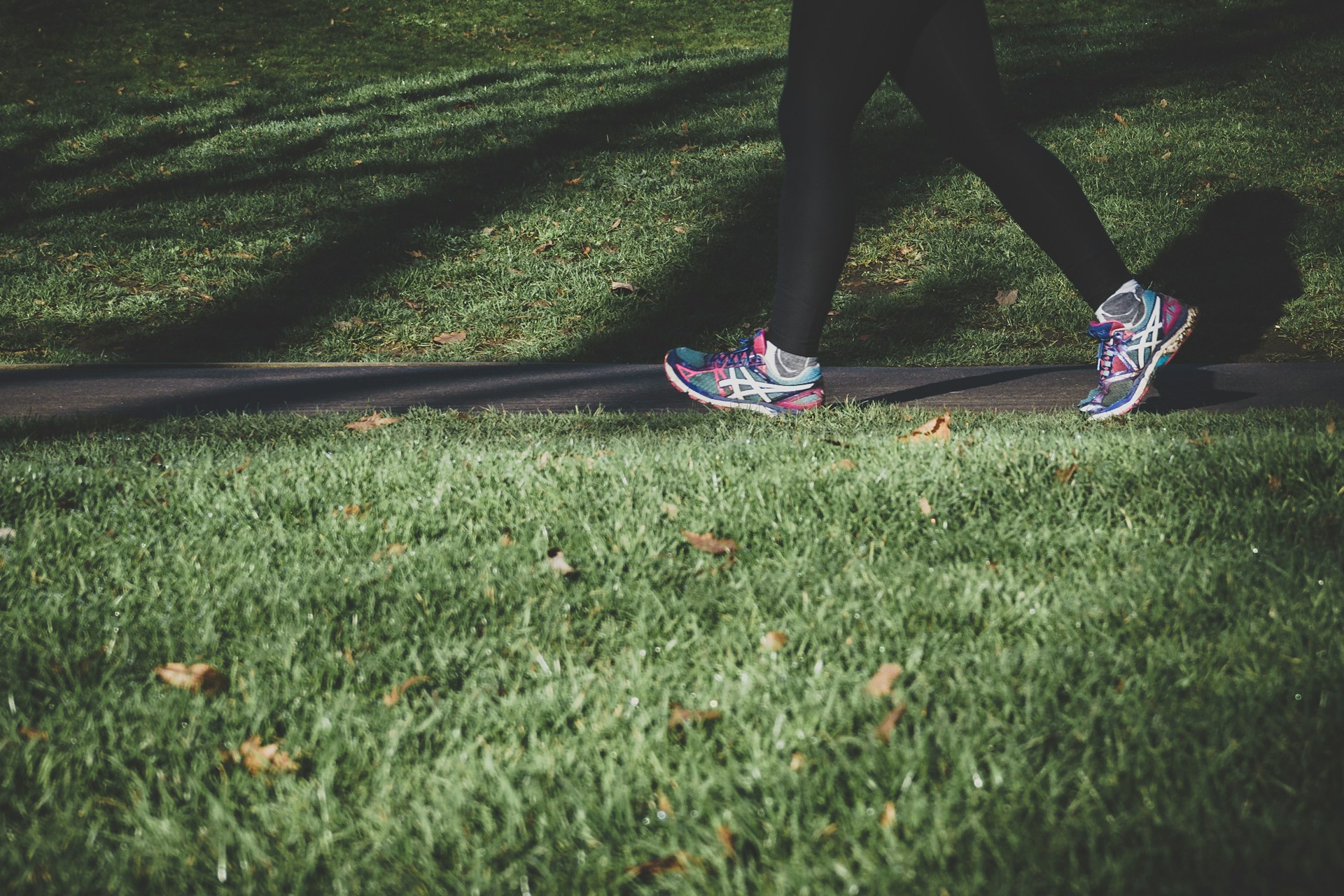
Many people look for complicated strategies to improve their health. However, some of the most effective habits are simple and easy to practice. Walking after meals is one example of a small lifestyle adjustment that can provide meaningful health benefits. The body processes food through a series of metabolic reactions. After eating, blood sugar levels naturally rise as carbohydrates break down into glucose. Hormones such as insulin help move this glucose from the bloodstream into cells where it can be used for energy. Physical activity can influence how efficiently this process occurs. A short walk after a meal encourages muscles to use glucose, which can help stabilize blood sugar levels. Over time, this habit may support healthier metabolic function.
The Body’s Metabolic Response After Eating

After a meal, the body begins digesting and absorbing nutrients. Carbohydrates convert into glucose, which enters the bloodstream. This increase in blood sugar triggers the pancreas to release insulin. Insulin allows cells to absorb glucose and use it for energy. When this system works efficiently, blood sugar levels rise moderately and then return to a stable range. However, large meals or sedentary behavior may cause blood sugar levels to remain elevated for longer periods. When the body remains inactive after eating, glucose may accumulate in the bloodstream before it is fully used.
How Walking Activates Muscle Glucose Use
Muscles require energy to function. During walking, muscle cells increase their demand for glucose. This demand creates an opportunity for the body to use some of the glucose that entered the bloodstream after eating. Interestingly, muscles can absorb glucose during physical activity even with lower levels of insulin. This process improves how efficiently the body manages blood sugar. When a person walks shortly after eating, muscles begin working while glucose levels are still elevated. The body responds by directing some of that glucose toward the active muscles.
Benefits for Blood Sugar Stability
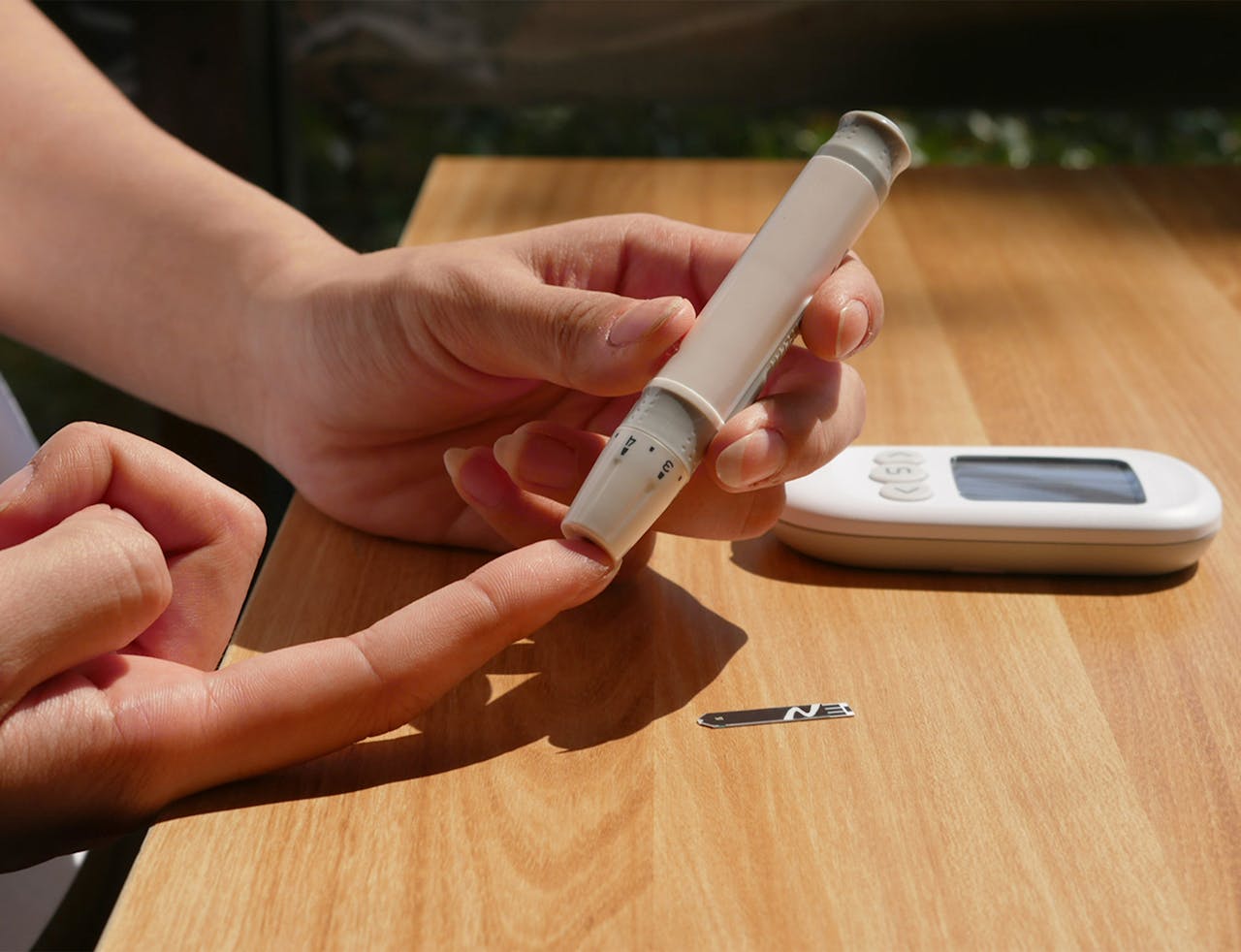
Blood sugar control plays an important role in overall health. Large fluctuations in blood glucose may contribute to fatigue, hunger, and long-term metabolic challenges. Walking after meals can help smooth these fluctuations. Instead of allowing blood sugar levels to rise sharply and then drop quickly, light activity promotes a more gradual return to normal levels. This steady pattern can help people feel more energized after eating. Stable blood sugar levels reduce the likelihood of sudden energy crashes that sometimes occur after large meals. Individuals concerned about blood sugar management often benefit from this habit. Even a short walk can help regulate glucose responses following meals that contain carbohydrates.
Influence on Digestion and Metabolic Rate

Walking also influences digestion. Gentle movement stimulates the digestive system, encouraging food to move through the gastrointestinal tract at a steady pace. This activity may help reduce feelings of heaviness that sometimes occur after eating. Light movement allows the body to process food without placing excessive strain on the digestive system. Metabolism also responds to physical activity. Although walking is a low-intensity exercise, it still increases energy expenditure compared to sitting or lying down. This increase in energy use supports overall metabolic function. Over time, regular walking may contribute to improved energy balance and healthier weight management.
Practical Walking Routine
Walking after meals does not require a complex exercise plan. Many people begin with short walks lasting ten to fifteen minutes. This duration is often enough to activate muscles and stimulate metabolic activity. Timing can vary depending on individual preferences. Some people choose to walk immediately after eating, while others wait a few minutes to allow digestion to begin. Consistency is more important than intensity. The goal is to create a sustainable habit that fits comfortably into daily routines. Walking at a relaxed pace is usually sufficient. The focus should remain on gentle movement rather than strenuous exercise immediately after a meal.
Long-Term Health Advantages
Walking after meals offers benefits that extend beyond immediate glucose control. Over time, this simple habit …