
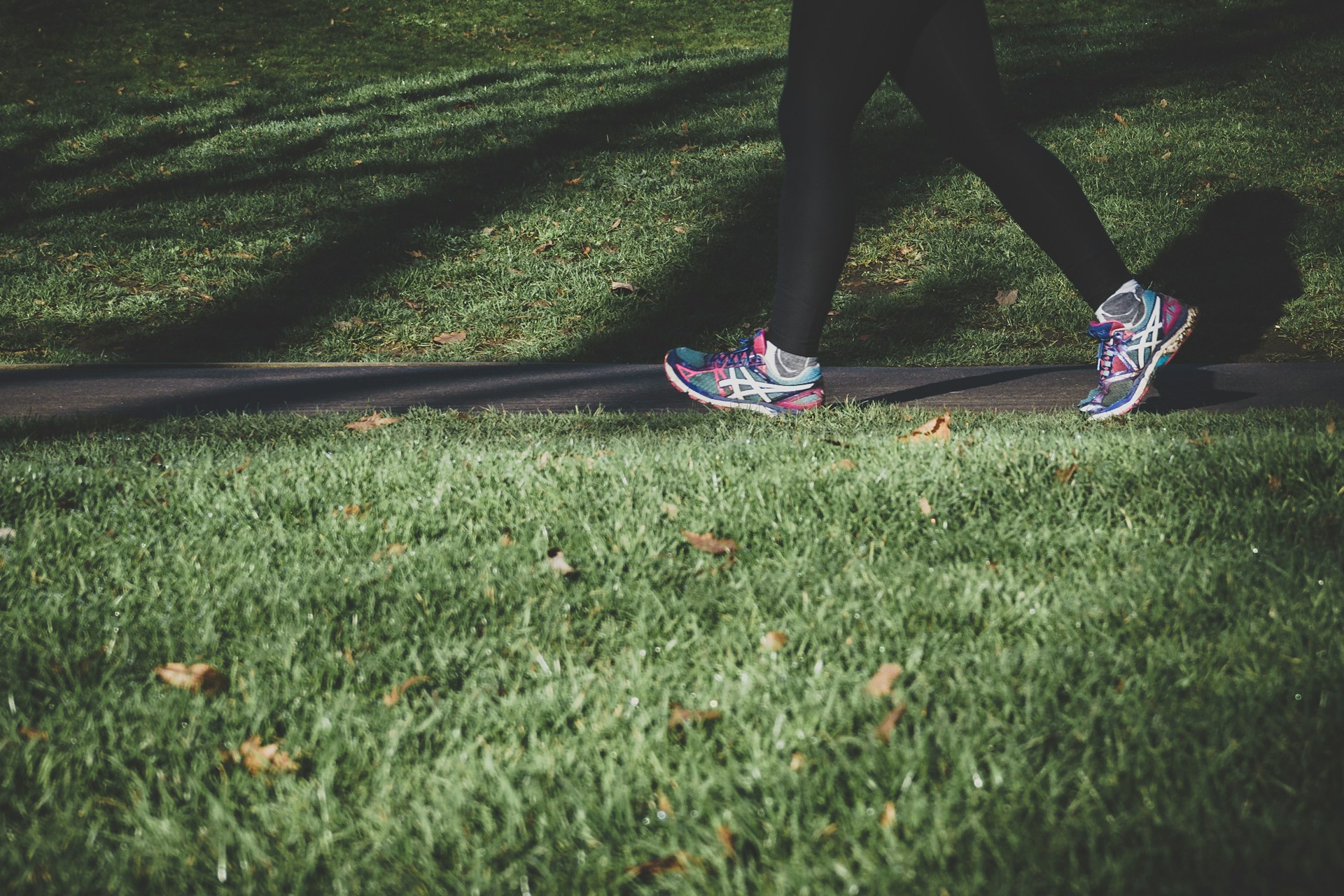
Many people look for complicated strategies to improve their health. However, some of the most effective habits are simple and easy to practice. Walking after meals is one example of a small lifestyle adjustment that can provide meaningful health benefits. The body processes food through a series of metabolic reactions. After eating, blood sugar levels naturally rise as carbohydrates break down into glucose. Hormones such as insulin help move this glucose from the bloodstream into cells where it can be used for energy. Physical activity can influence how efficiently this process occurs. A short walk after a meal encourages muscles to use glucose, which can help stabilize blood sugar levels. Over time, this habit may support healthier metabolic function.
The Body’s Metabolic Response After Eating

After a meal, the body begins digesting and absorbing nutrients. Carbohydrates convert into glucose, which enters the bloodstream. This increase in blood sugar triggers the pancreas to release insulin. Insulin allows cells to absorb glucose and use it for energy. When this system works efficiently, blood sugar levels rise moderately and then return to a stable range. However, large meals or sedentary behavior may cause blood sugar levels to remain elevated for longer periods. When the body remains inactive after eating, glucose may accumulate in the bloodstream before it is fully used.
How Walking Activates Muscle Glucose Use
Muscles require energy to function. During walking, muscle cells increase their demand for glucose. This demand creates an opportunity for the body to use some of the glucose that entered the bloodstream after eating. Interestingly, muscles can absorb glucose during physical activity even with lower levels of insulin. This process improves how efficiently the body manages blood sugar. When a person walks shortly after eating, muscles begin working while glucose levels are still elevated. The body responds by directing some of that glucose toward the active muscles.
Benefits for Blood Sugar Stability
Blood sugar control plays an important role in overall health. Large fluctuations in blood glucose may contribute to fatigue, hunger, and long-term metabolic challenges. Walking after meals can help smooth these fluctuations. Instead of allowing blood sugar levels to rise sharply and then drop quickly, light activity promotes a more gradual return to normal levels. This steady pattern can help people feel more energized after eating. Stable blood sugar levels reduce the likelihood of sudden energy crashes that sometimes occur after large meals. Individuals concerned about blood sugar management often benefit from this habit. Even a short walk can help regulate glucose responses following meals that contain carbohydrates.
Influence on Digestion and Metabolic Rate

Walking also influences digestion. Gentle movement stimulates the digestive system, encouraging food to move through the gastrointestinal tract at a steady pace. This activity may help reduce feelings of heaviness that sometimes occur after eating. Light movement allows the body to process food without placing excessive strain on the digestive system. Metabolism also responds to physical activity. Although walking is a low-intensity exercise, it still increases energy expenditure compared to sitting or lying down. This increase in energy use supports overall metabolic function. Over time, regular walking may contribute to improved energy balance and healthier weight management.
Practical Walking Routine
Walking after meals does not require a complex exercise plan. Many people begin with short walks lasting ten to fifteen minutes. This duration is often enough to activate muscles and stimulate metabolic activity. Timing can vary depending on individual preferences. Some people choose to walk immediately after eating, while others wait a few minutes to allow digestion to begin. Consistency is more important than intensity. The goal is to create a sustainable habit that fits comfortably into daily routines. Walking at a relaxed pace is usually sufficient. The focus should remain on gentle movement rather than strenuous exercise immediately after a meal.
Long-Term Health Advantages
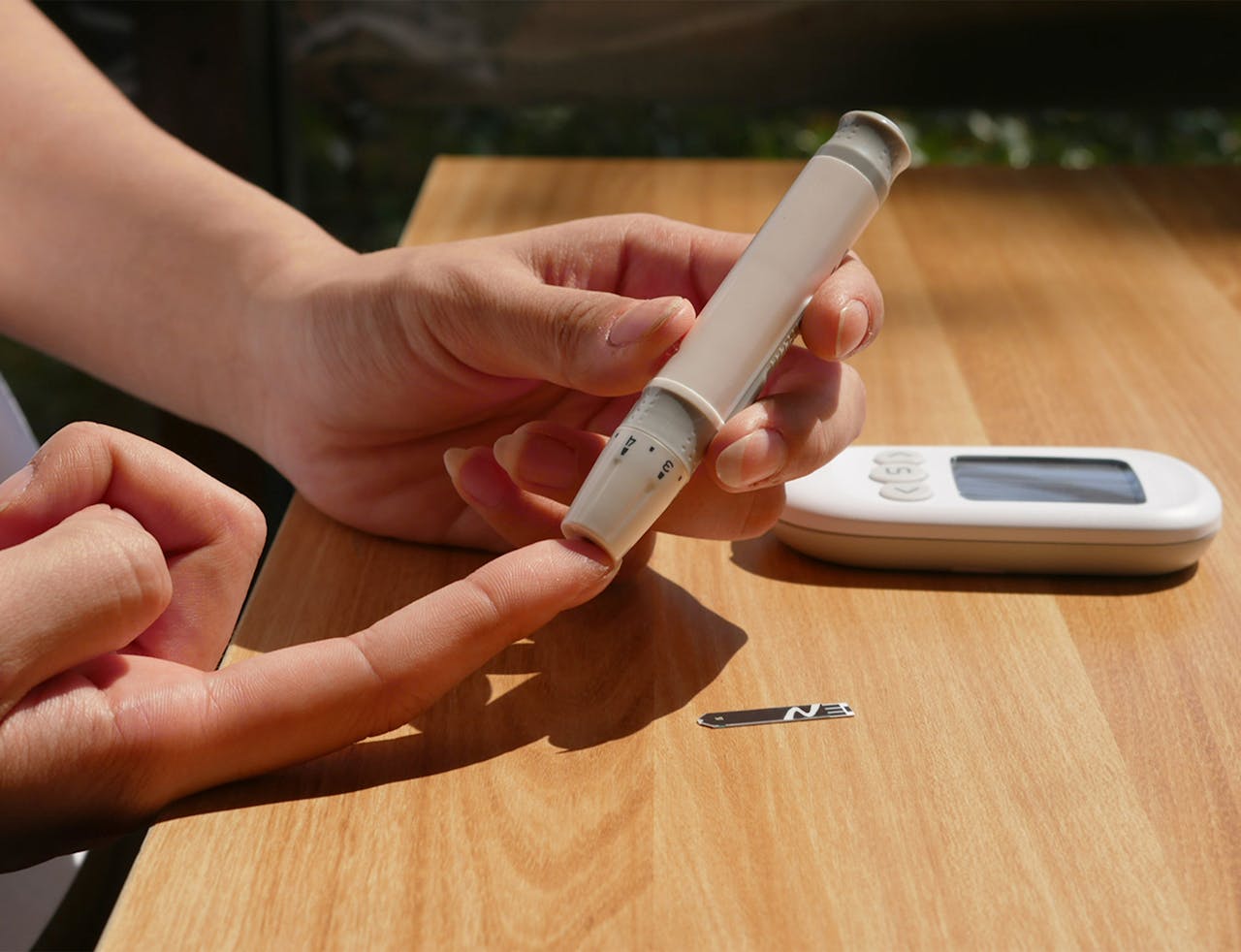
Walking after meals offers benefits that extend beyond immediate glucose control. Over time, this simple …






 When wisdom teeth become impacted, meaning they don’t have enough room to emerge properly, they can create pockets where bacteria can thrive. If left untreated, this trapped bacteria can lead to infection in the surrounding gums and even spread to other parts of the mouth. Infection around impacted wisdom teeth can cause symptoms like swelling, redness, tenderness, and pus discharge. In severe cases, it may result in pericoronitis, characterized by painful inflammation of the gum tissue surrounding the tooth. Ignoring infected wisdom teeth can be extremely uncomfortable and pose serious health risks. The infection could enter the bloodstream and affect other areas of the body if allowed to progress unchecked.
 Dealing with impacted wisdom teeth can bring much pain and discomfort. It’s not just about the occasional twinge here and there; it can escalate into persistent throbbing, swelling, and difficulty opening your mouth fully. Imagine trying to enjoy your favorite meal while feeling constant pressure in the back of your mouth. This discomfort isn’t something that will just magically disappear on its own. Ignoring the issue could lead to further complications down the road, affecting your oral health and overall well-being.



 The good news is that there are a few simple lifestyle changes we can make to help reduce brain fog and improve our mental clarity. Here we highlight some of the most effective ones.
 Things may go downhill quickly when stress or anxiety levels become too high. A study from 2019 showed that chronic stress could interfere with an individual’s ability to think clearly, which may cause a foggy brain. In fact, the study even suggested that chronic stress can cause changes to the brain itself over time.
 Some prostate supplements contain proprietary blends, meaning the manufacturer does not disclose the exact amounts of each ingredient. This can make it difficult to determine whether the supplement contains enough of each ingredient to be effective. Therefore, it’s best to choose supplements that clearly list all ingredients and their respective dosages.


 The first health risk of being overweight is the potential for developing liver disease. This can be caused by excess fat buildup in the liver, known as fatty liver disease or nonalcoholic steatohepatitis (NASH). Excess fat in the body can also lead to a type of inflammation called metabolic syndrome that can damage liver cells and reduce their ability to function properly. Many people have been developing this health condition due to being overweight. Some have detected it early, while others are unaware of it until being diagnosed with another health issue.
 The third health risk of being overweight is diabetes. People who are overweight are known to have an increased risk of developing type 2 diabetes, which happens when the body’s cells become resistant to insulin. This can lead to a variety of other problems, such as nerve damage, vision loss, and circulation issues. In addition to increasing the risk of developing diabetes, excess weight can also make it much more difficult for people to manage their diabetes.
 If you are a patient, caregiver, or healthcare provider, it is essential to understand the basics of medications. This knowledge can help improve your health outcomes and those around you. MAT can also help you feel more confident about using medications safely and effectively. It can give you a better understanding of your medication options, how to use them properly, and what to do if something goes wrong.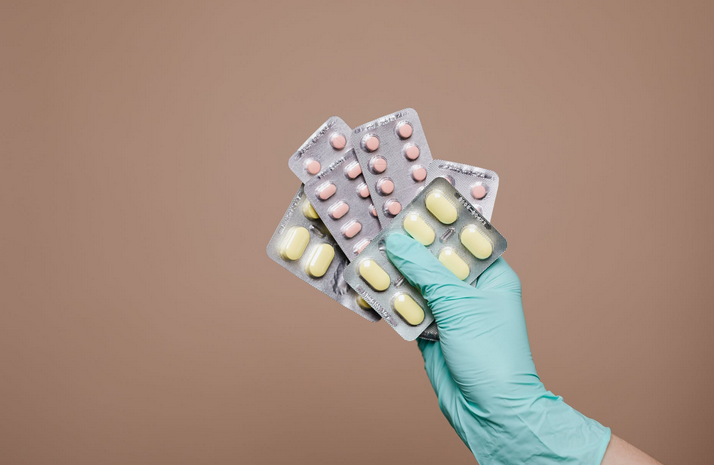
 Piracetam is a nootropic drug that they developed in the 1960s. It is one of the oldest and most widely used cognitive enhancers. Piracetam has been shown to improve memory, focus, and creativity. It also helps protect the brain from age-related damage.
 Noopept is a nootropic that was created in Russia in the 1990s. It is estimated to be 1000 times more potent than Piracetam, and it has been shown to improve cognitive function, memory, focus, and anxiety levels. Noopept also helps protect the brain from damage and improves blood flow to the brain. Noopept is especially helpful to those with neurodegenerative diseases, including Alzheimer’s disease. Noopept helps by regenerating cells and neurotransmitters in the brain under stress or degenerating. It also reduces depression, anxiety, ADHD, PTSD, OCD, and bipolar disorder symptoms.
 If you are looking for a CBD oil that is more potent compared to other products in the market, Spruce is the brand for you. The brand is credited with producing high-quality hemp oil that effectively helps many suffering from pain caused by illnesses and injuries. Some may not like the taste of the oil since it has no artificial flavors, making it more natural. The oil is purely organic, gluten-free, and vegan.
 Weight loss requires dedication, persistence, and hard work, which some individuals are unwilling to endure. Since some industries have realized that some people prefer to get quick results, they have produced products (pills) to lure people’s minds. The products are said to have a short term effect with a lot of side effects. But, if you need a permanent solution regarding your weight, you should consider using permanent solutions. Many consider the weight loss journey as a marathon one needs to undertake. Ensure whatever plan you select, you need to stick with it for almost your entire life.
 One Month Trial Period
 Only Minor Side Effects



 Alignment
 Become a Leader
 Buying your Venapro online is convenient. First, you have the opportunity to compare prices and land yourself the best deal. Also, you do not have to move from chemist to another in much of your favorite supplement. That can both expensive and tiresome. In fact, one of the reasons why many people are now buying the products online is because they have realized that it is the best option to cut down expenses.